
Indoor Air Quality Monitoring
Enquire Today For A Free No Obligation Quote
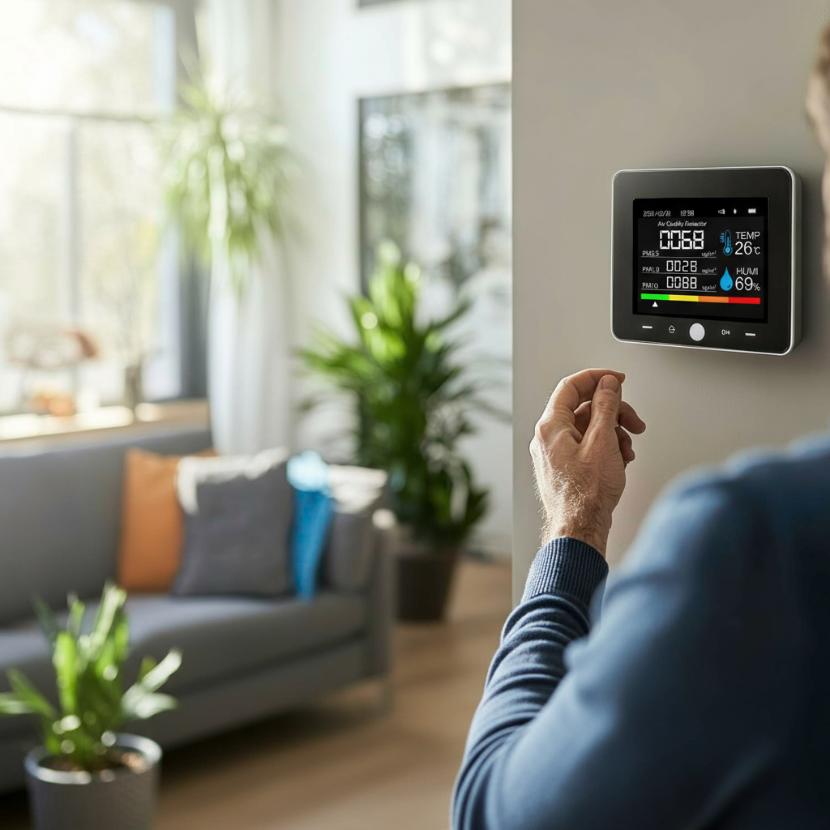
At Indoor Air Quality Monitoring, we support homeowners, landlords, and organisations by providing accurate insight into the air people breathe indoors. By tracking pollutants and changes in air quality over time, monitoring helps safeguard health, maintain comfort, and ensure compliance in both residential and commercial environments.
From identifying hidden mould spores to measuring VOCs, CO₂, or allergens, continuous monitoring delivers the data needed to act quickly and effectively.
Can Indoor Air Quality Monitoring Identify Specific Risks Like Mould Or VOCs?
Indoor air quality monitoring is highly effective for identifying specific risks such as mould spores, VOCs, and allergens. Mould assessments are particularly important in damp or humid areas, while VOC monitoring provides insight into hazards introduced by renovations, flooring, or furniture.
Allergen tracking benefits households with children, asthma sufferers, or those sensitive to dust and pets.
How Much Does Indoor Air Quality Monitoring Cost?
The cost of indoor air quality monitoring ranges from £150–£300 for basic property checks, while more advanced monitoring packages that include VOCs, mould, carbon dioxide, carbon monoxide, and allergen analysis start at £400 and above.
Key cost factors include property size, the number of pollutants being tracked, monitoring duration, and whether the site is residential, commercial, or industrial.
Contact Indoor Air Quality Monitoring to get customised prices for your property.
How Long Does An Indoor Air Quality Monitoring Assessment Take?
Quick spot indoor air quality monitoring checks may take only a few hours, while more detailed monitoring of gases and particles often runs for 24–72 hours to capture variations across different times of day.
Lab-based analysis of samples, such as for mould or allergens, may require additional days. Most providers deliver complete reports within a week.
What Role Does Indoor Air Quality Monitoring Play In Creating Healthier Spaces?
Indoor air quality monitoring plays a critical role in detecting unseen issues that affect wellbeing. Poor air quality is linked to fatigue, headaches, allergies, and respiratory problems like asthma.
In office and workplace settings, this can reduce employee comfort and productivity. Monitoring highlights issues such as elevated CO₂, damp-related mould, or chemical exposure, guiding improvements in ventilation, humidity control, or air purification.
When Should Indoor Air Quality Monitoring Be Considered Necessary?
Indoor air quality monitoring is recommended in situations such as:
- Frequent respiratory issues – Ongoing coughing, wheezing, or asthma symptoms among occupants.
- Headaches or persistent fatigue – Signs of poor air circulation or pollutant exposure.
- Visible mould growth – Indicates damp conditions and airborne spores.
- Unusual or lingering odours – May suggest VOCs, chemical off-gassing, or hidden pollutants.
- High humidity or condensation – Creates an environment for mould and bacteria to thrive.
- Workplace complaints or absenteeism – Staff reporting discomfort, tiredness, or illness.
- New or recently renovated properties – Construction materials releasing VOCs and other chemicals.
Is Indoor Air Quality Monitoring A Cost-Effective Way To Maintain Health And Safety?
Indoor air quality monitoring is considered a cost-effective solution, as it helps prevent expensive building repairs caused by mould or damp, reduces healthcare risks, and supports better energy efficiency through ventilation management.
Early identification of problems allows for targeted interventions, saving money and improving overall living or working conditions.
How Frequently Should Indoor Air Quality Be Monitored In Commercial Settings?
For commercial buildings, indoor air quality monitoring is generally recommended every 12–24 months, with more frequent checks advised for sensitive environments like schools, healthcare facilities, and care homes.
Additional monitoring may be required after renovations, major repairs, or when air quality complaints are reported. Regular monitoring supports compliance and demonstrates a commitment to employee and customer wellbeing.
Contact Indoor Air Quality Monitoring for a consultation on the best monitoring approach for your property.
Which Pollutants Are Commonly Tracked During Air Quality Monitoring?
Indoor air quality monitoring can track multiple pollutants, such as:
- Mould spores – Indicates fungal growth in hidden areas.
- Volatile organic compounds (VOCs) – Reveals chemical emissions from cleaning products, paints, or furniture.
- Carbon monoxide – Detects hazardous gases from faulty heating systems.
- Carbon dioxide – Identifies poor ventilation and circulation issues.
- Particulate matter (PM2.5 and PM10) – Measures fine particles that impact lung health.
- Formaldehyde – Highlights emissions from adhesives, building products, and furnishings.
- Allergens – Includes dust mites, pollen, and pet dander.
- Radon (where relevant) – Tests for natural radioactive gas in certain regions.
Do Monitoring Providers Deliver Reports And Practical Solutions?
Providers of indoor air quality monitoring typically supply detailed reports showing pollutant levels, sources, and potential impacts on health. These reports often compare findings to national or international guidelines for clarity.Alongside results, providers recommend actions ranging from improving ventilation and controlling damp to installing advanced filtration or purification systems.
Find More Info
Make sure you contact us today for a number of great indoor air quality monitoring services.
For more information on indoor air quality monitoring, fill in the contact form below to receive a free quote today.
★★★★★
Indoor Air Quality Monitoring provided a seamless and highly professional service. Their advanced monitoring systems gave us real-time insights into our building’s air conditions, allowing us to take immediate action to maintain a healthy environment. Truly a reliable and knowledgeable team.
Catherine Aldridge
Greater London
★★★★★
We are extremely satisfied with the service from Indoor Air Quality Monitoring. The team demonstrated exceptional expertise, delivering accurate data and clear reports that improved our compliance and workplace well-being. Their commitment to quality is commendable.
Daniel Prestwick
Greater London